
Stop Teeth Grinding and Jaw Pain with Help from Our Swansea Dentists
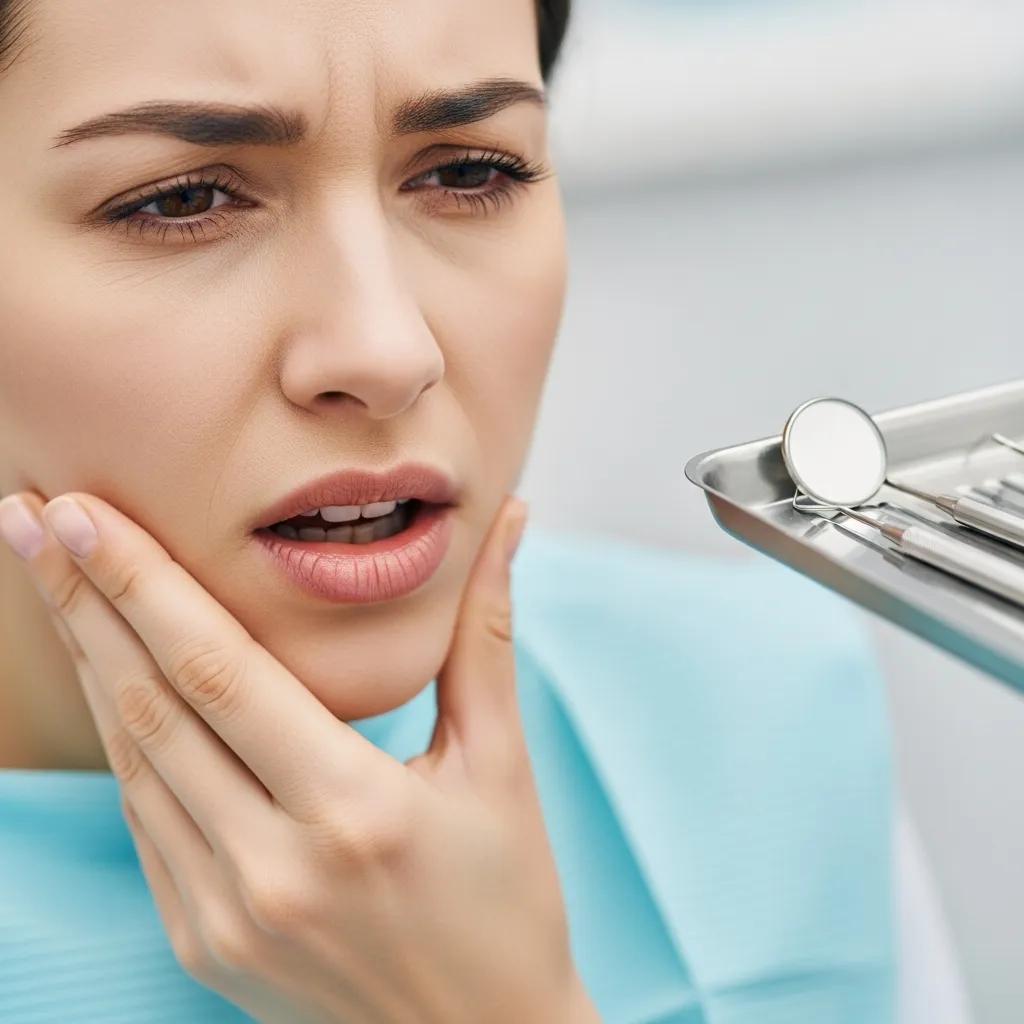 Do you wake up with a sore jaw or notice your teeth feeling sensitive? You might be experiencing bruxism, more commonly known as teeth grinding. This often-unconscious habit can lead to significant dental and health issues if left unaddressed. Here at Corner Stone Dental, our dedicated team, led by our Swansea, IL dentists, Dr. Randall E. Wilson and Dr. Lauren Wilson, understands the challenges bruxism presents. We’re here to offer comprehensive solutions for patients not just in Swansea, but also in surrounding communities like Fairview Heights, O’Fallon, Belleville, and Shiloh.
Ready to find relief from Bruxism? Don’t let teeth grinding impact your quality of life. If you’re noticing any signs of teeth grinding, contact Corner Stone Dental by calling (618) 236-0501.
Why Choose Corner Stone Dental for Bruxism Treatment in Swansea, IL?
Choosing the right dental practice for your bruxism treatment is a critical step toward effective management and lasting relief. At Corner Stone Dental, we pride ourselves on offering a comprehensive range of services specifically designed to address the unique needs of patients suffering from bruxism.
Who are Dr. Randall and Dr. Lauren Wilson and their expertise?
Dr. Randall E. Wilson and Dr. Lauren B. Wilson are highly experienced and compassionate dental professionals dedicated to providing top-tier care for all their patients. With a strong focus on comprehensive dental services, they possess the expertise and knowledge to accurately diagnose and effectively treat bruxism, ensuring you receive the best possible outcomes.
How does Corner Stone Dental provide patient-centered care and advanced technology?
At Corner Stone Dental, patient-centered care is at the heart of everything we do. We utilize advanced technology to enhance both the diagnostic and treatment processes, making your experience as comfortable and efficient as possible. Our commitment to staying current with the latest dental advancements means that patients in Swansea, Fairview Heights, O’Fallon, Belleville, and Shiloh receive the highest standard of care for their bruxism and overall oral health needs.
Types of Bruxism
 There are two main types of bruxism: sleep bruxism and awake bruxism. Sleep bruxism, as the name suggests, happens while you’re asleep and is actually considered a sleep-related movement disorder. Sometimes it’s linked to other sleep issues like sleep apnea, but not always. Awake bruxism, on the other hand, occurs when you’re conscious, often triggered by daily stress or anxiety. Pinpointing which type of bruxism you have is really important for your dentist to recommend the most appropriate treatment plan.
How does bruxism impact oral health and cause jaw pain?
The effects of bruxism on your oral health can be quite significant. That constant grinding motion can wear down your tooth enamel, making your teeth more sensitive and even leading to fractures. Plus, the strain on your jaw muscles can contribute to temporomandibular joint (TMJ) disorders, causing pain and discomfort. Studies consistently show that people with bruxism face a higher risk of developing these dental issues, which is why getting help early is so important.
Common Symptoms of Teeth Grinding (Bruxism)
Identifying the symptoms of bruxism early is essential for effective treatment. Below are the most common signs that may indicate you are grinding your teeth, which can lead to significant dental issues if not addressed.
- Persistent Jaw Pain – Ongoing discomfort in the jaw area is a primary indicator of bruxism, often resulting from the strain of grinding and clenching.
- Frequent Headaches – Regular headaches, particularly in the morning, can be a sign of teeth grinding, as the tension in the jaw can radiate to the head.
- Increased Tooth Sensitivity – If your teeth feel more sensitive to hot or cold temperatures, it may be due to enamel wear caused by grinding.
- Worn Down or Flattened Teeth – Visible signs of wear, such as flattened surfaces or chipped edges, are strong indicators of bruxism and require dental evaluation.
- Earaches – Pain in the ears can occur due to the close proximity of the jaw muscles to the ear canal, often exacerbated by grinding.
- Facial Pain – Discomfort in the facial muscles can arise from the constant clenching associated with bruxism, leading to overall facial soreness.
- Sleep Disruptions – Grinding teeth during sleep can lead to poor sleep quality, making you feel tired or unrested upon waking.
What Causes Bruxism and Teeth Grinding?
Understanding the underlying causes of bruxism is essential for effective management and treatment. Below are the primary factors that contribute to teeth grinding and jaw clenching.
- Stress and Anxiety – High levels of stress and anxiety can lead to unconscious clenching or grinding of teeth as a coping mechanism, often exacerbating the condition.
- Misaligned Teeth – An abnormal bite or misaligned teeth can create discomfort, prompting individuals to grind their teeth in an attempt to find a more comfortable position.
- Sleep Disorders – Conditions such as sleep apnea can disrupt sleep patterns and increase the likelihood of bruxism episodes during the night.
- Caffeine and Alcohol Consumption – Excessive intake of stimulants like caffeine and alcohol can heighten anxiety levels and disrupt sleep, contributing to teeth grinding.
- Medications – Certain medications, particularly those for mental health conditions, may have side effects that include bruxism as a symptom.
- Genetic Factors – A family history of bruxism can increase the likelihood of developing the condition, suggesting a hereditary component.
- Age – Bruxism is more common in children, but it can persist into adulthood, often linked to stress or other factors as individuals age.
How is Bruxism Diagnosed at Corner Stone Dental?
Diagnosing bruxism involves a thorough examination by a dental professional. At Corner Stone Dental, we use a variety of diagnostic methods to accurately identify the condition and understand its severity.
Comprehensive Examinations
When you visit us for a bruxism evaluation, we’ll typically start with a detailed discussion about your dental history and any symptoms you’re experiencing. This is followed by a physical examination of your teeth and jaw. We might also ask about your sleep patterns and stress levels to get a complete picture of your situation.
Advanced Tools Help Detect Teeth Grinding and Jaw Clenching
To get a clearer understanding, we might use advanced diagnostic tools like digital imaging or bite analysis. These technologies allow our dentists, Dr. Randall E. Wilson and Dr. Lauren Wilson, to precisely evaluate the extent of any tooth wear and assess your jaw’s alignment. This valuable information helps us create the most effective and personalized treatment plan for you.
Effective Bruxism Treatment Options for Relief and Prevention
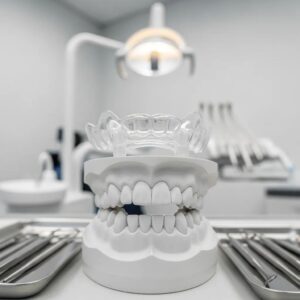 Finding the right treatment for bruxism is essential to alleviate symptoms and protect your oral health. Below are effective treatment options that can be tailored to your individual needs, helping you manage teeth grinding and jaw pain effectively.
- Custom Night Guards – These personalized dental appliances fit over your teeth, providing a protective barrier that absorbs grinding pressure, reducing the risk of tooth damage and alleviating jaw pain.
- Oral Appliances – Similar to night guards, these devices help reposition the jaw to minimize grinding and clenching, promoting better alignment and comfort during sleep.
- Physical Therapy – Engaging in targeted exercises can strengthen jaw muscles and improve flexibility, helping to relieve tension and discomfort associated with bruxism.
- Stress Management Techniques – Incorporating relaxation methods such as mindfulness, meditation, or yoga can significantly reduce stress levels, which are often a trigger for teeth grinding.
- Behavioral Therapy – Working with a therapist can help identify and modify behaviors that contribute to bruxism, providing strategies to cope with stress and anxiety effectively.
- Medication – In some cases, dentists may prescribe muscle relaxants or anti-anxiety medications to help manage symptoms and reduce the frequency of grinding episodes.
- Lifestyle Changes – Reducing caffeine and alcohol intake, along with establishing a calming bedtime routine, can improve sleep quality and decrease the likelihood of bruxism.
Frequently Asked Questions
Sleep bruxism happens unconsciously while you’re sleeping, often without you even knowing it. Awake bruxism occurs when you’re conscious, usually triggered by stress, anxiety, or concentration, leading to clenching or grinding during the day.
Common signs include waking up with a sore jaw, headaches, earaches, facial pain, or noticing your teeth are sensitive, chipped, or flattened. Your dentist can also spot signs of wear and tear on your teeth during a regular check-up.
Absolutely! Stress and anxiety are major contributors to bruxism. Many people unconsciously clench or grind their teeth as a coping mechanism when feeling stressed, both during the day and at night.
Custom night guards create a protective barrier between your upper and lower teeth, preventing them from grinding against each other. This helps absorb the force of clenching, reduces wear on your teeth, and can significantly alleviate jaw pain and muscle tension.
Reclaim Your Smile with Bruxism Care at Corner Stone Dental
Bruxism is a widespread condition that, while often overlooked, can lead to significant dental and health issues if not properly addressed. Understanding its causes, recognizing its symptoms, and exploring effective treatment options are crucial steps toward maintaining your oral health and overall well-being. At Corner Stone Dental, Dr. Randall E. Wilson and Dr. Lauren Wilson are dedicated to providing comprehensive, patient-centered services to help individuals in Swansea, Fairview Heights, O’Fallon, Belleville, and Shiloh effectively manage bruxism. Our goal is to ensure you achieve a healthier, more comfortable smile and a better quality of life. Don’t let teeth grinding control your comfort, schedule an appointment with the best Swansea dentists near you by calling (618) 236-0501.