
Experience Gentle Tooth Extractions with Our Trusted Swansea Dentists
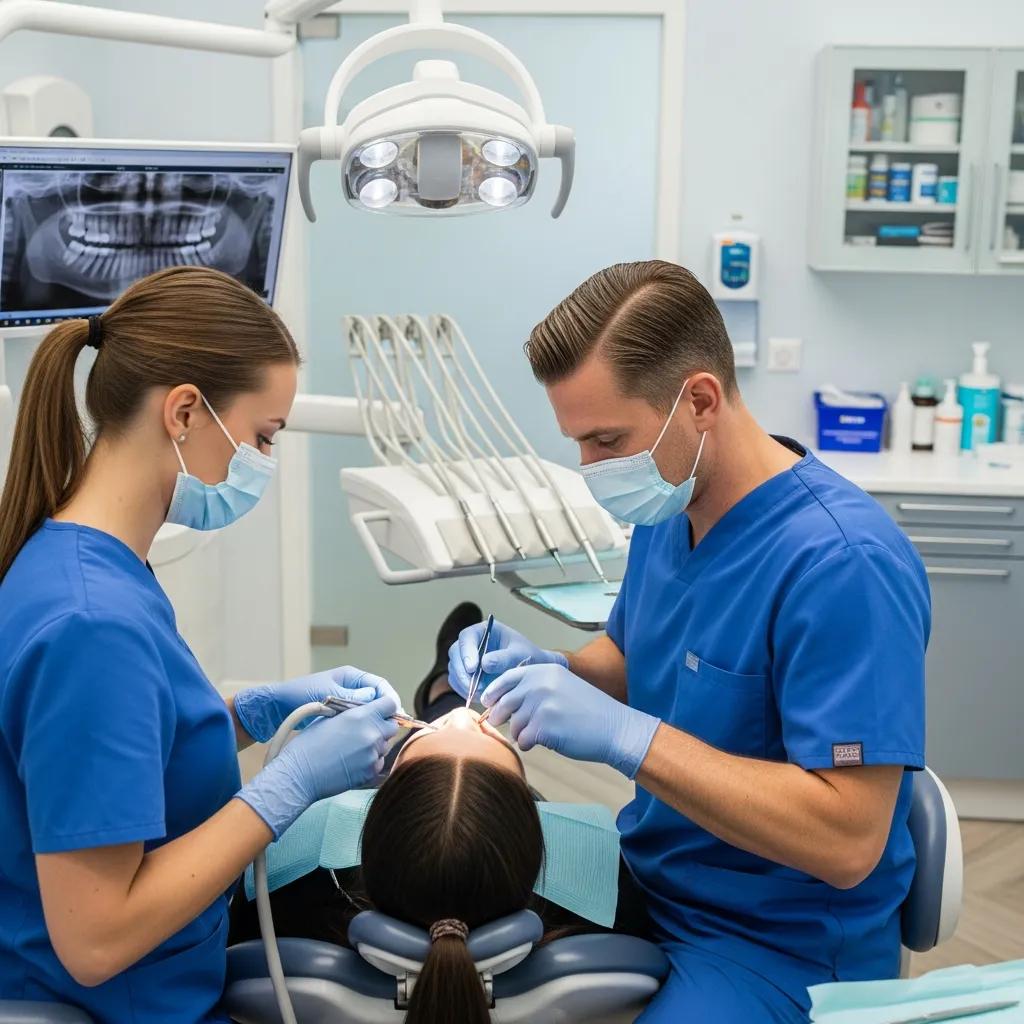 Facing a tooth extraction can feel overwhelming, but understanding the process and knowing what to expect can make all the difference. Whether you’re dealing with a severely decayed tooth, overcrowding, or impacted wisdom teeth, having a trusted dental team by your side is essential. At Corner Stone Dental, our dentists in Swansea, IL, Dr. Randall Wilson and Dr. Lauren Wilson provide compassionate care to patients from Swansea and nearby communities like Belleville, O’Fallon, and Shiloh. To learn more about gentle tooth extractions, contact our Swansea dental office today by calling (618) 236-0501.
Exceptional Care from Our Swansea Oral Surgeons
When your treatment requires advanced expertise, you can count on the skill and compassion of our Swansea oral surgeons. From simple extractions to complex procedures like wisdom tooth removal, our team is committed to delivering safe, precise, and comfortable care. We use modern techniques and a patient-first approach to make every visit as smooth and stress-free as possible.
We understand that dental anxiety is real, and we take it seriously. Our team prioritizes clear communication, gentle care, and a calming environment so you always feel heard and supported. One of our patients, Kevin A., shared his experience:
“Excellent staff. I’m a nervous wreck when it comes to the dentist. I had to have a wisdom tooth removed and they were very understanding of my nervousness with the procedure and did a great job with helping calm my nerves.”
Whether you need a routine extraction or a more advanced surgical procedure, our Swansea oral surgeons are here to help you feel confident, comfortable, and well cared for every step of the way.
What Is a Dental Extraction?
A dental extraction involves removing a tooth from its socket in the bone. This procedure becomes necessary when a tooth is severely damaged, decayed, or threatens the health of surrounding teeth. There are two main types of extractions: simple extractions, which are performed on teeth that are visible and easily accessible, and surgical extractions, which are more complex and often involve teeth that are impacted or not fully erupted, such as wisdom teeth.
Impacted wisdom teeth are common and often require surgical removal due to lack of space, abnormal positioning, or obstruction. These teeth can cause pain, swelling, and damage to nearby teeth and bone if left untreated.
Types of Tooth Extractions We Offer
 Tooth extractions fall into two categories:
- Simple Extraction: This is done on teeth that are fully visible in the mouth and can be removed with local anesthesia. It’s usually a quick and straightforward process.
- Surgical Extraction: This is necessary when teeth are not fully erupted, broken below the gum line, or impacted. It may involve making incisions and sometimes requires sedation or general anesthesia to ensure patient comfort.
Knowing which type of extraction you need helps your dental team plan the best approach for your care.
The Tooth Extraction Procedure at Corner Stone Dental
The tooth extraction process is designed to be as safe and comfortable as possible. Here’s what typically happens:
- Assessment: Your dentist will examine the tooth and surrounding area, often using X-rays to determine the best extraction method.
- Anesthesia: Local anesthesia is applied to numb the area. For more complex cases, sedation or general anesthesia may be used to keep you relaxed and comfortable.
- Extraction: Using specialized tools, the dentist carefully loosens and removes the tooth. Surgical extractions may require small incisions to access the tooth.
Anesthesia and Sedation Options for Comfortable Extractions
To ensure your comfort during the procedure, several anesthesia options are available:
- Local Anesthesia: Numbs the specific area so you remain awake but pain-free.
- Sedation: Includes nitrous oxide (laughing gas), oral sedation, or intravenous (IV) sedation to help you relax.
- General Anesthesia: Used in more extensive surgical cases or for patients with significant anxiety.
Minimally Invasive Techniques and Surgical Considerations
Modern dental practices like Corner Stone Dental use minimally invasive techniques to reduce discomfort and speed up healing. These may include:
- Socket Preservation: Methods to maintain bone structure after extraction.
- Guided Bone Regeneration: Techniques that encourage bone growth and healing in the extraction site.
These advancements help improve outcomes and reduce recovery time.
What Should You Expect During Tooth Extraction Recovery?
 Recovery times vary depending on the complexity of the extraction and individual healing. Most patients experience some swelling and discomfort, which is normal.
Typical Recovery Timeline and Post-Extraction Care Guidelines
Here’s a general timeline to help you know what to expect:
- First 24 Hours: Rest and avoid strenuous activity. Use ice packs to reduce swelling.
- Days 2-3: Swelling may peak and then start to go down. Manage pain with medications as recommended by your dentist.
- 1 Week: Many patients return to normal activities, though full healing can take several weeks.
Following your dentist’s care instructions is key to a smooth recovery.
Managing Pain and Preventing Complications After Extraction
To manage pain and avoid complications:
- Take Medications as Directed: Use prescribed or over-the-counter pain relievers as advised.
- Apply Ice Packs: Helps reduce swelling and discomfort.
- Watch for Signs of Infection: Contact your dentist if you notice increased pain, swelling, fever, or discharge.
Most patients feel confident managing their post-extraction pain with proper guidance and support.
Frequently Asked Questions
The recovery time from a tooth extraction can vary depending on factors such as the complexity of the extraction, your overall health, and how well you follow post-operative instructions. In general, most people can expect the initial healing process to take about 1-2 weeks. During this time, you may experience some swelling, discomfort, and minor bleeding, which are normal parts of the healing process.
It’s generally recommended to arrange for someone to drive you home after a tooth extraction, especially if you’ve had general anesthesia or if you feel groggy or lightheaded after the procedure. The effects of anesthesia can impair your ability to operate a vehicle safely, so having someone else drive you home is a safer option.
While tooth extractions are generally safe procedures, there are some risks involved. These risks may include infection, excessive bleeding, damage to surrounding teeth or structures, dry socket (a condition where the blood clot at the extraction site dislodges prematurely), and nerve damage. However, serious complications are rare, especially when the procedure is performed by a skilled and experienced dentist or oral surgeon following proper protocols.
Smoking after a tooth extraction is strongly discouraged, as it can significantly impede the healing process and increase the risk of complications. Smoking slows down blood flow to the gums, which is essential for proper healing. It also introduces harmful chemicals into the mouth, which can irritate the extraction site and increase the likelihood of infection. Ideally, it’s best to refrain from smoking for at least 24 to 48 hours after the extraction, if not longer, to give your body the best chance to heal.
Choose Corner Stone Dental for Compassionate Tooth Extractions in Swansea, IL
At Corner Stone Dental, Dr. Randall Wilson and Dr. Lauren Wilson are committed to providing gentle, expert tooth extractions tailored to your needs. Serving Swansea, IL, and nearby communities including Belleville, O’Fallon, Shiloh, and surrounding areas, our team prioritizes your comfort and recovery. Whether you need a simple extraction or a more complex surgical procedure, we’re here to guide you through every step with personalized care.
Don’t wait to get the dental care you need. Contact the best Swansea dentist near you by calling (618) 236-0501 to schedule your tooth extraction consultation and take the first step toward a healthier smile.